Handmade design traditions
Handmade design traditions since 1839
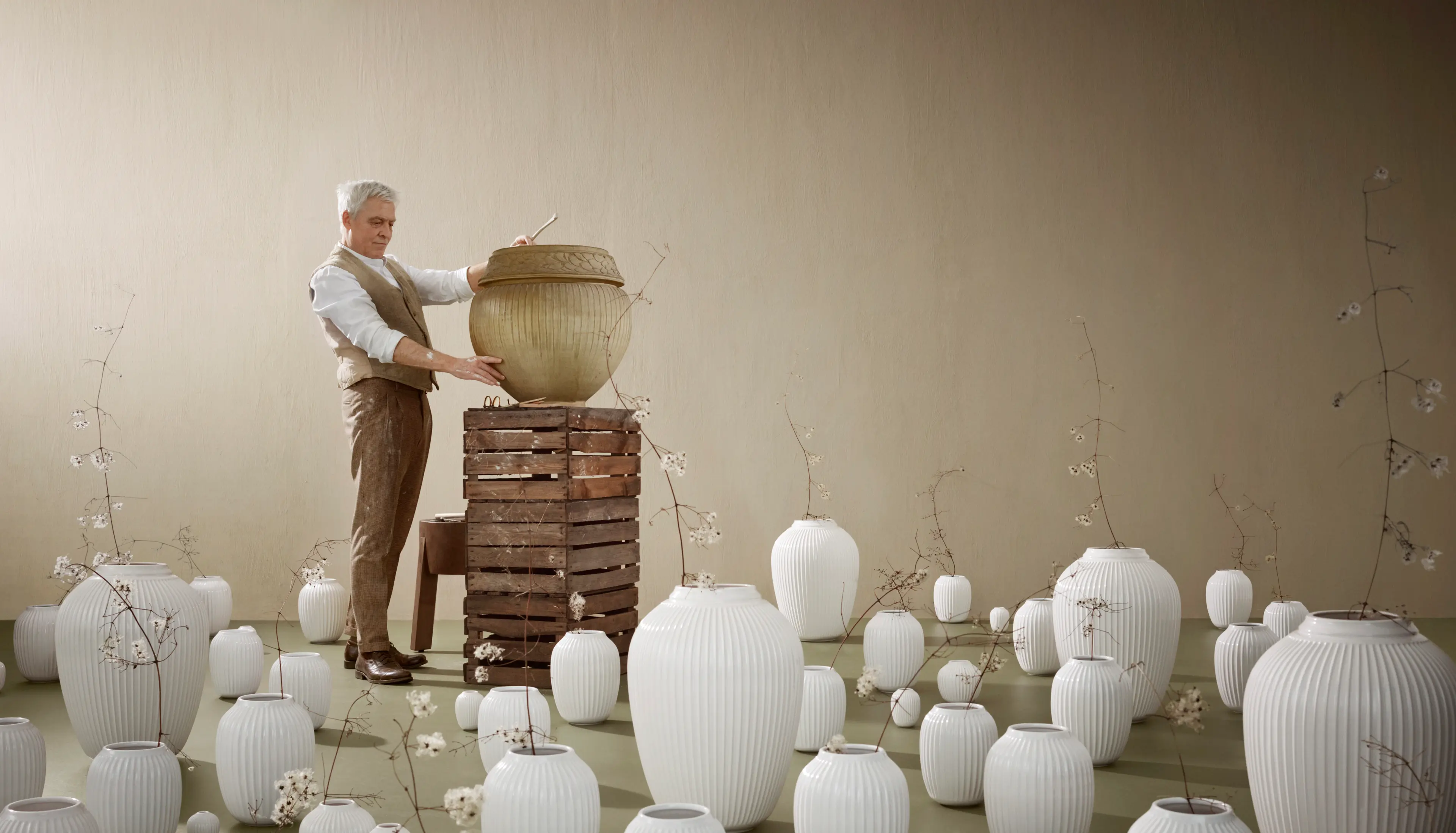
Kähler is part of the Rosendahl Design Group – a family of design icons that withstand endless use and admiration. The Kähler story began in 1839, and the handmade design traditions that have been developed since represent a modern and sensual tale of design, where everyone is welcome. Kähler is associated with a heritage of innovative glazes, creative designs and distinctive artistic collaborations.
Kähler builds on a long tradition of artistic collaborations and craft traditions and was founded in 1839 when Herman Kähler opened a ceramics workshop in Næstved. However, it was only when his son, Herman A. Kähler, joined the workshop that it became world famous for unique designs and artistic ceramics.
Since its foundation more than 180 years ago, Kähler has been known for its classic handmade design traditions. To this day, we still honour this heritage and clear reproductions of the present built on the past.
Even though Kähler has grown as a design collective with a wealth of related artists, the philosophy and approach remains the same as it has always been, namely that we continue to work with some of today’s greatest designers and craftsmen.
Craftsmanship, creativity and artistic collaborations have been part of Kähler’s DNA since the beginning. And they still are. It's what has made Kähler an iconic ceramic brand, one which has charted the course of Danish ceramic design.
We create all our products based on Kähler’s handmade design traditions. We've always done that - and we always will.
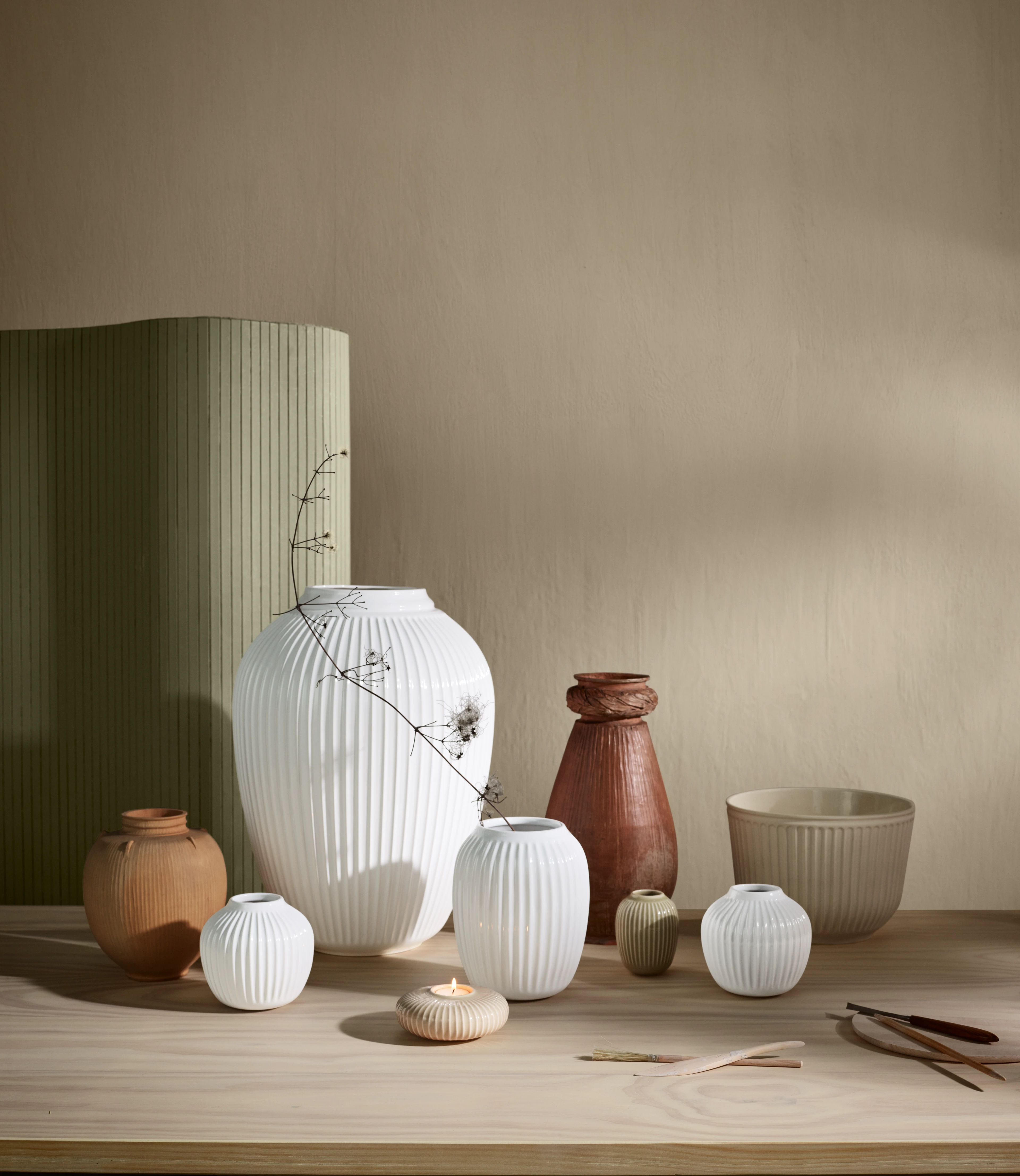
A unique design adventure that began in 1839
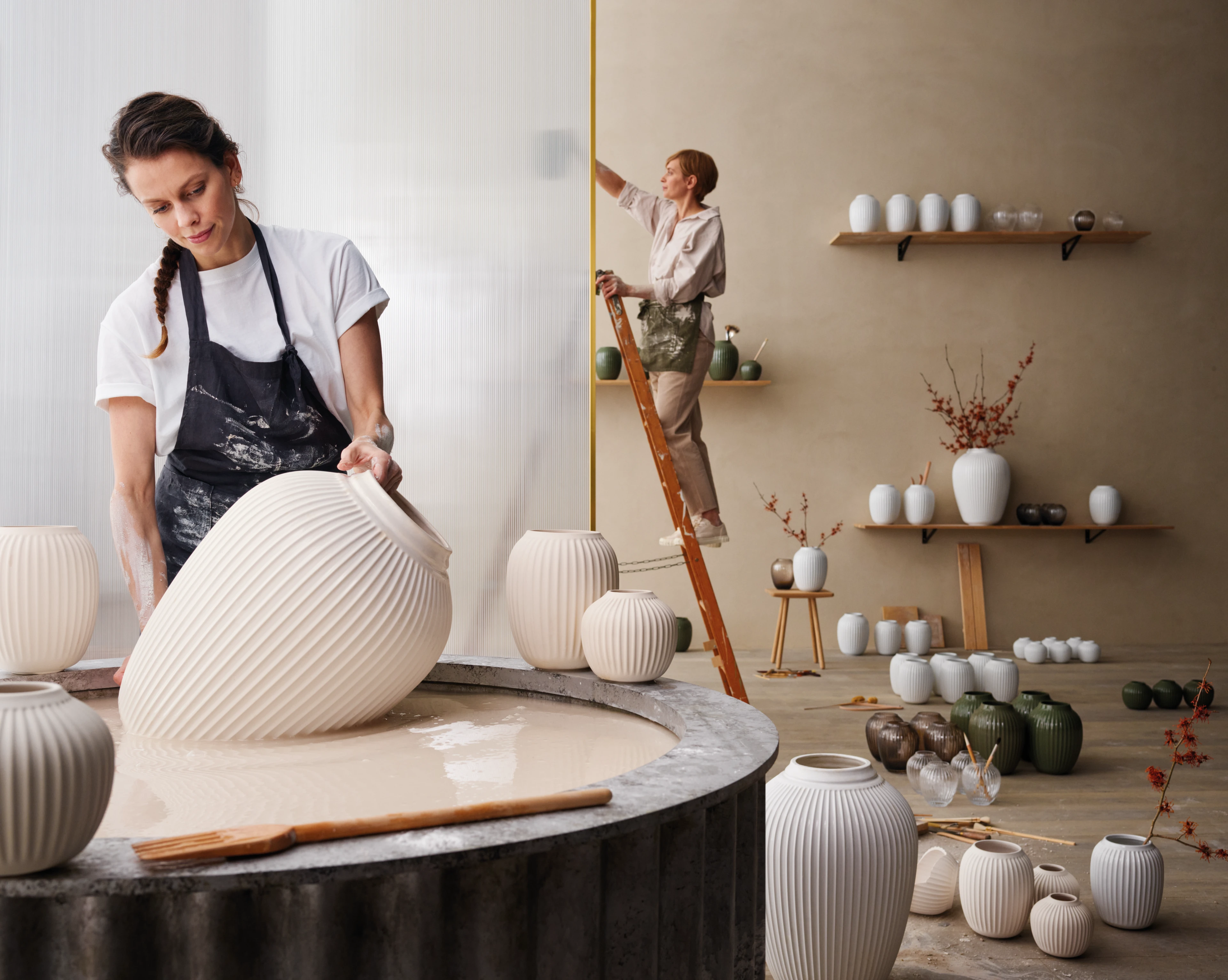
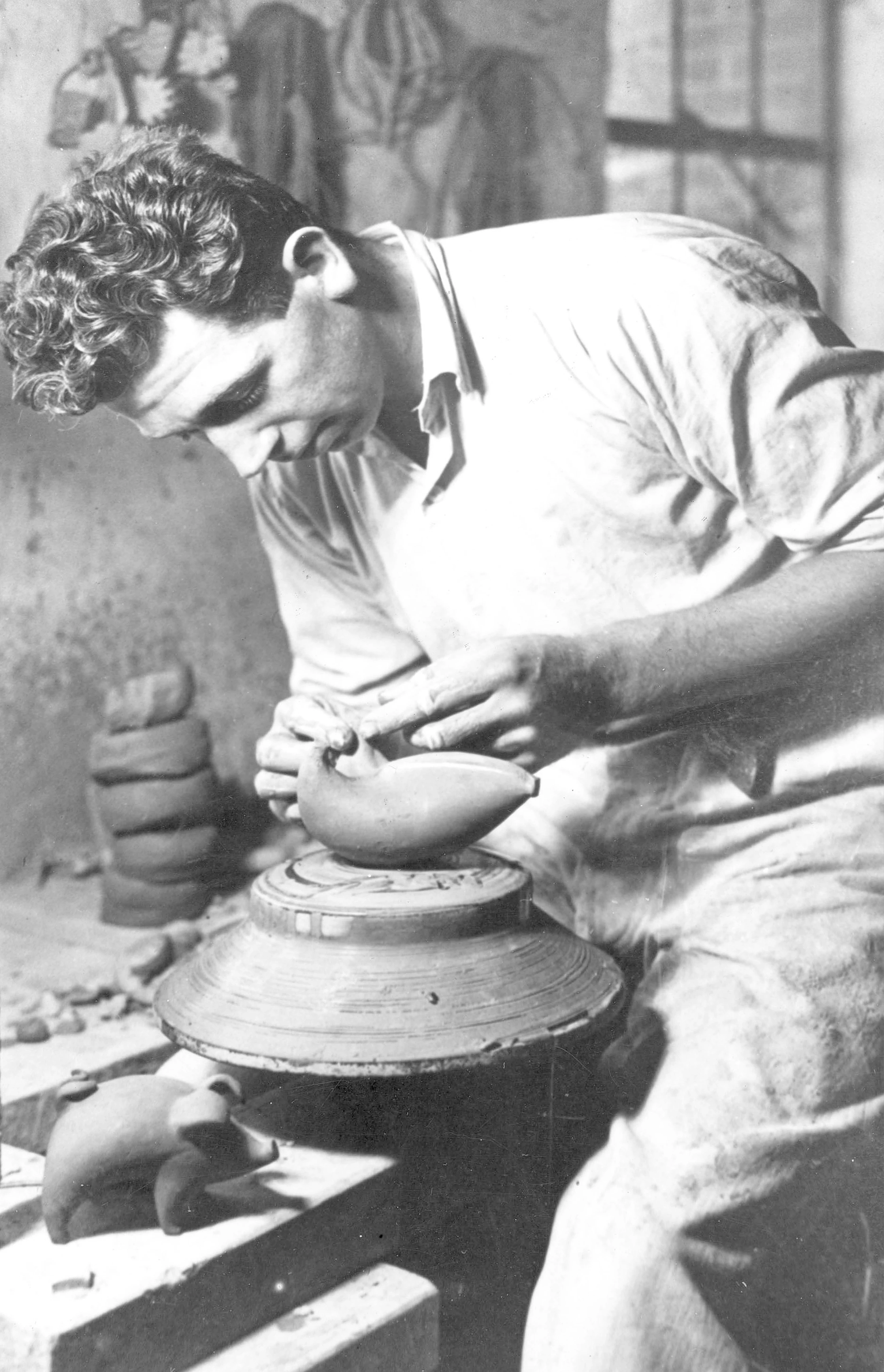
Kähler family
Kähler artists
In the 1800s and 1900s, the historic Kähler workshop became a gathering place for many of the era's greatest Danish artists. People like Thorvald Bindesbøll, Svend Hammershøi and Kai Nielsen all made their mark on what today forms the DNA of Kähler’s design. Read about some of the great artists who used to meet up at Kähler’s historic workshop here.
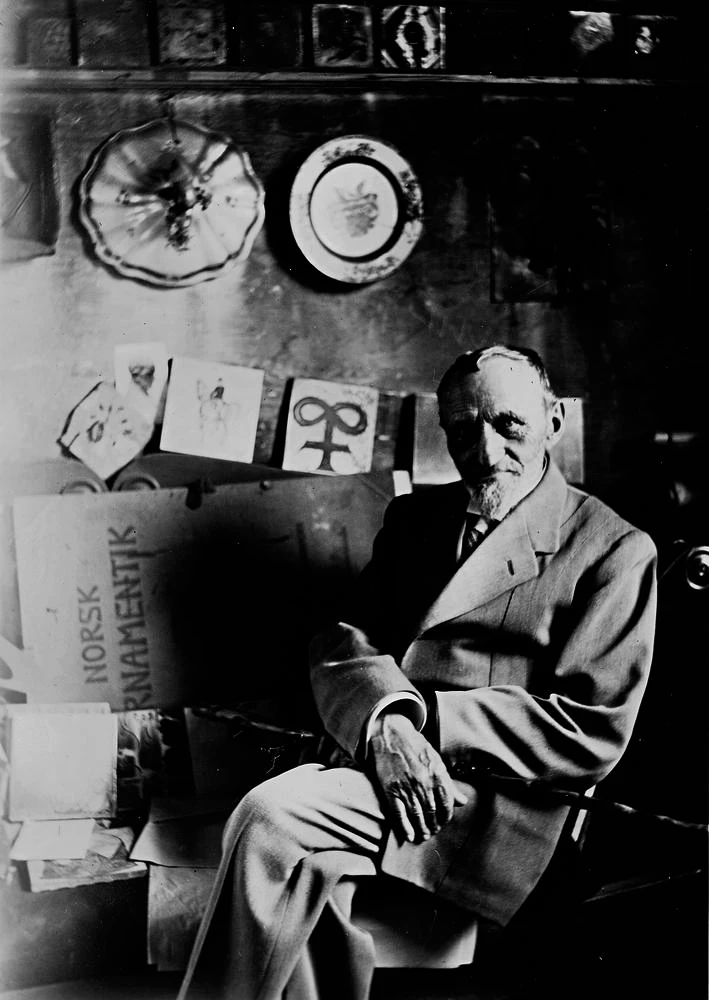
1857–1942 – Hans Andersen Brendekilde
1854–1933 – Laurids Andersen Ring
Laurids Andersen, also known as L.A. Ring, named after the birth town of the southern Ring of Næstved. Ring was part of Brendekilde's circle of artist friends at the end of the 19th century. He painted landscape paintings and lived for a short time with Brendekilde. This was how he was introduced to Kähler for the first time. Ring was excited to try out ceramics as a material, but his ceramic career was limited to 10 to 12 pieces and would never have much impact on Kähler.
Like Brendekilde, Ring’s greatest importance to the Kähler workshop were his cultural contacts. Ring married H.A. Kähler’s daughter, Sigrid Kähler, thus becoming part of the regular circle of artists around Kähler. He often painted situations from the workshop and family. One example is the painting “Lamp Light”, which depicts his wife Sigrid, and a lamp base with octopus arms. It is said that the lamp base was his own work. The picture now hangs in the National Gallery of Denmark.
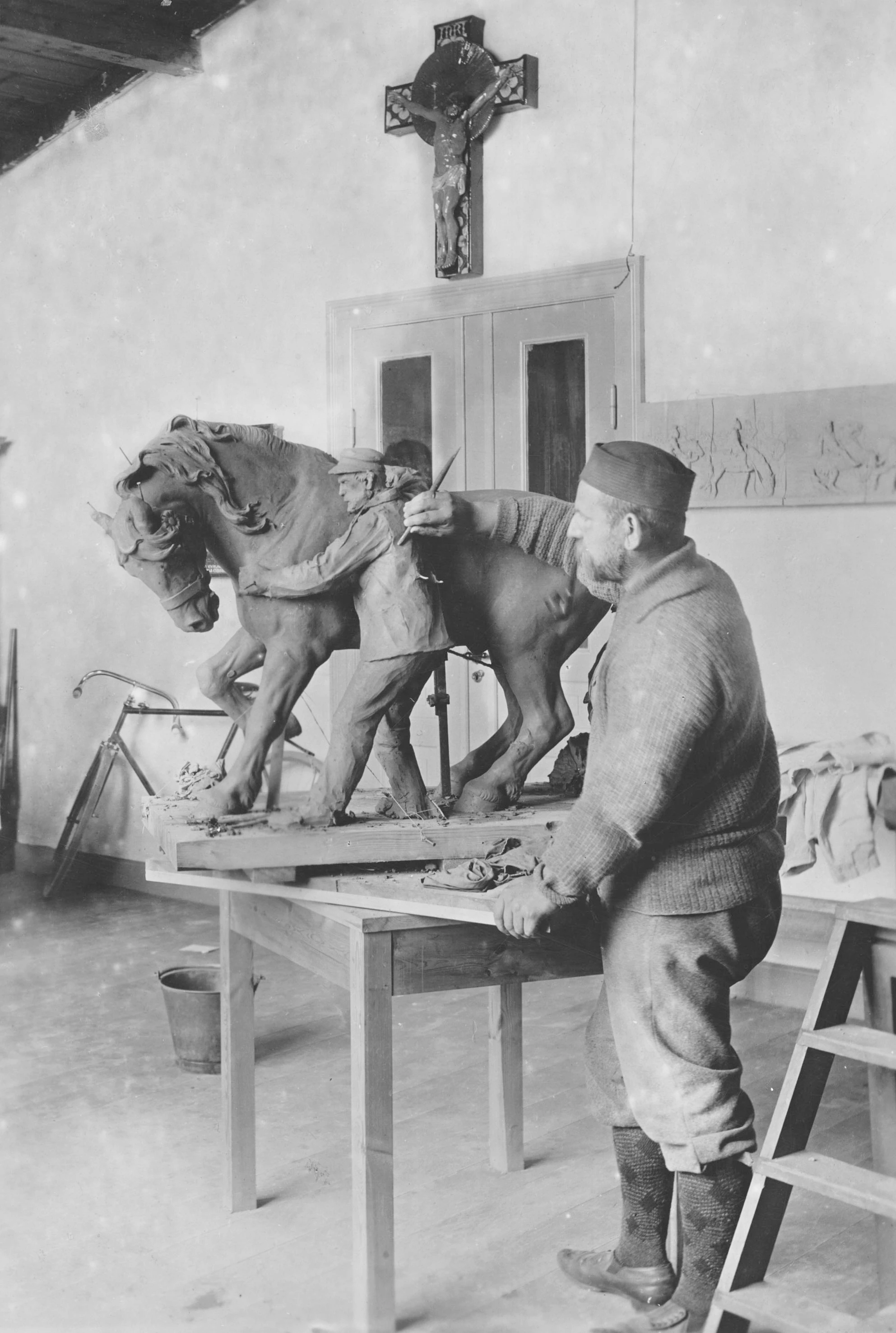
1863-1929 – Karl Hansen Reistrup
1846-1908 – Thorvald Bindesbøll
Architect Thorvald Bindesbøll spent a short time in the Kähler workshop, namely in the years 1890 and 1891. It’s was the artist L.A. Ring that lured him to Næstved. The stay at Kähler took place over two periods during those years. But none of the products he made during this time would be called masterpieces. The best result he left behind was probably an earthenware pot with graphite decoration and a slip decoration. It is currently on display at the Danish Museum of Art and Design. During his second stint at Kähler’s workshop, Bindesbøll made an altar for Herning Church. This was made of glazed earthenware. Even though Bindesbøll’s stay at Kähler was brief, he kept in contact with Kähler for a long time afterwards.
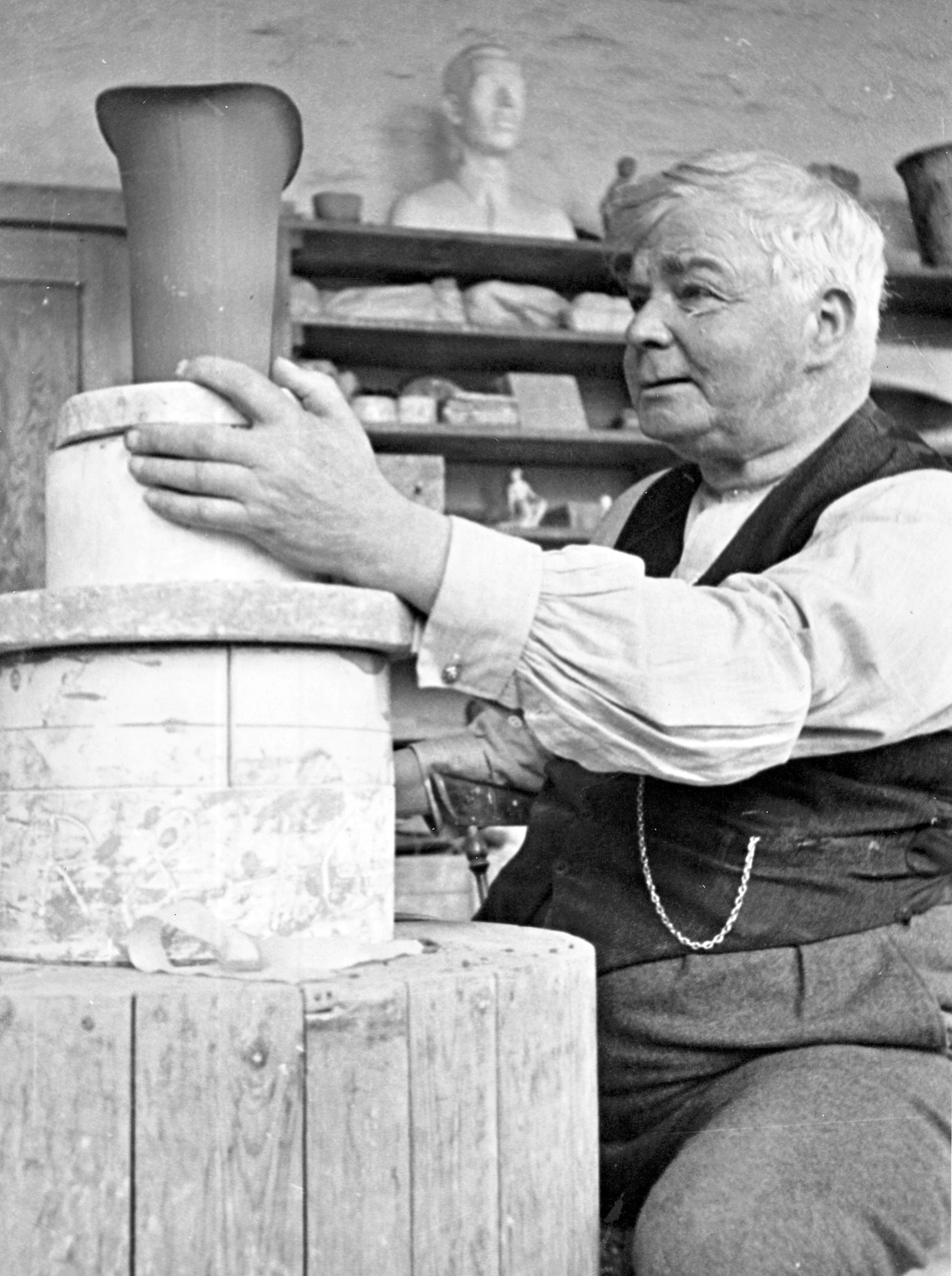
1873-1948 – Svend Hammershøi
1882-1924 – Kai Nielsen
The sculptor Kai Nielsen visited Kähler for the first time in 1921. This was just three years before his death. During this time, he was extremely productive, but many of his works were discarded because he was so self-critical. His ambition was to reach all people. He would rather sell his works and produce them in thousands of copies than have them exhibited in museums. So instead, he made many small figures to spread awareness of his art. And this boosted his earnings.
In collaboration with Thirslund, Nielsen started a major production of figures in 1922. These were made from old bronze moulds, which were previously used to cast bronze moulds. And the names of the figurines were just as inventive as the production method: The Sloth, Susanne in the bath, the Princess and the pea, Eva on the apple, Nina on the ball and the Globetrotter are just a few of them. The figurines became hugely popular both in Denmark and abroad. A dealer from San Francisco brought the “Princess on the Pea” home from a trip and displayed it in his store. But an American women’s organisation showed a lot of resistance to the “The Princess of the Pea” as they believed the figurine was sticking her belly out too much.
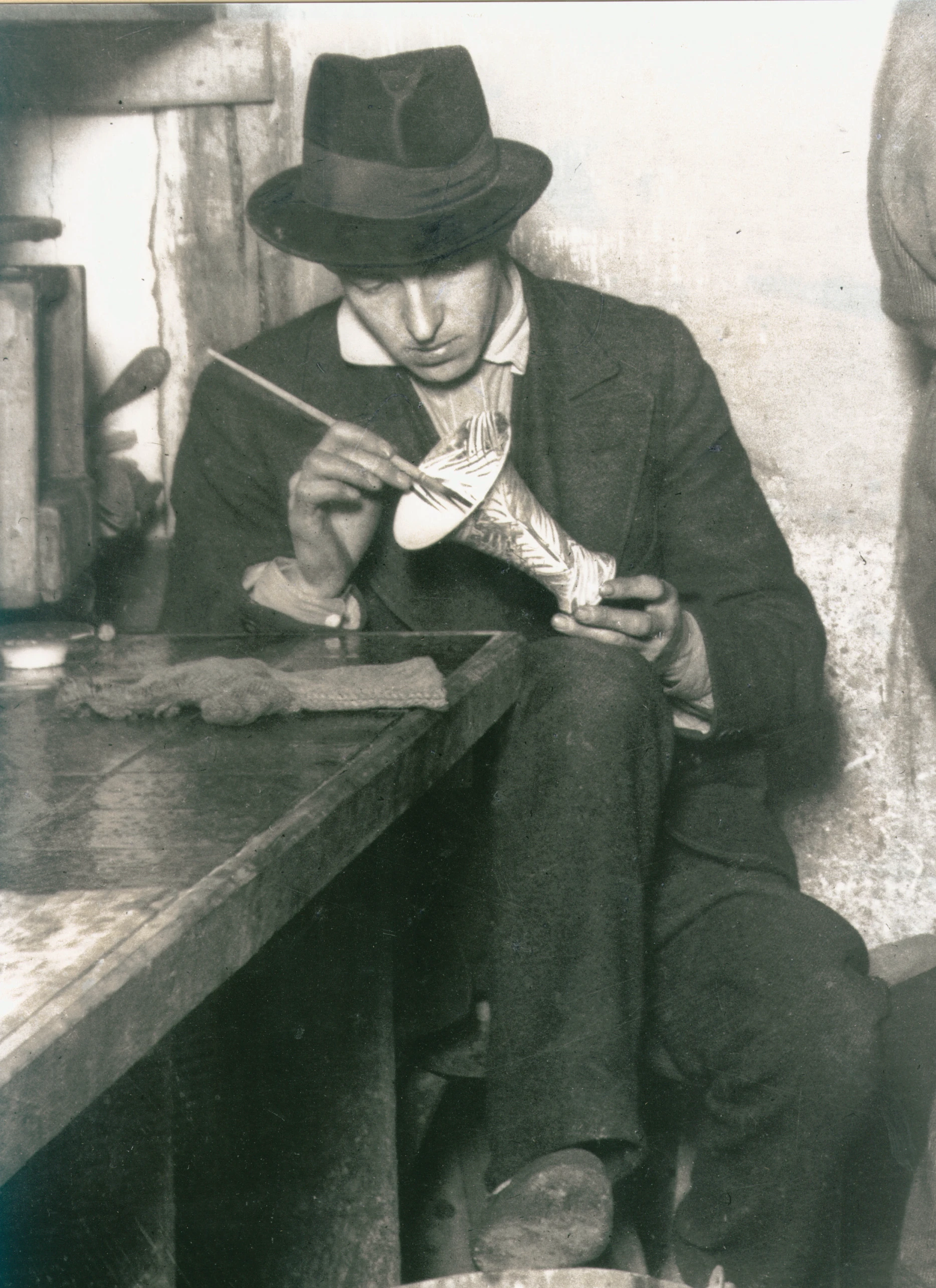
1892-1942 – Jens Thirslund
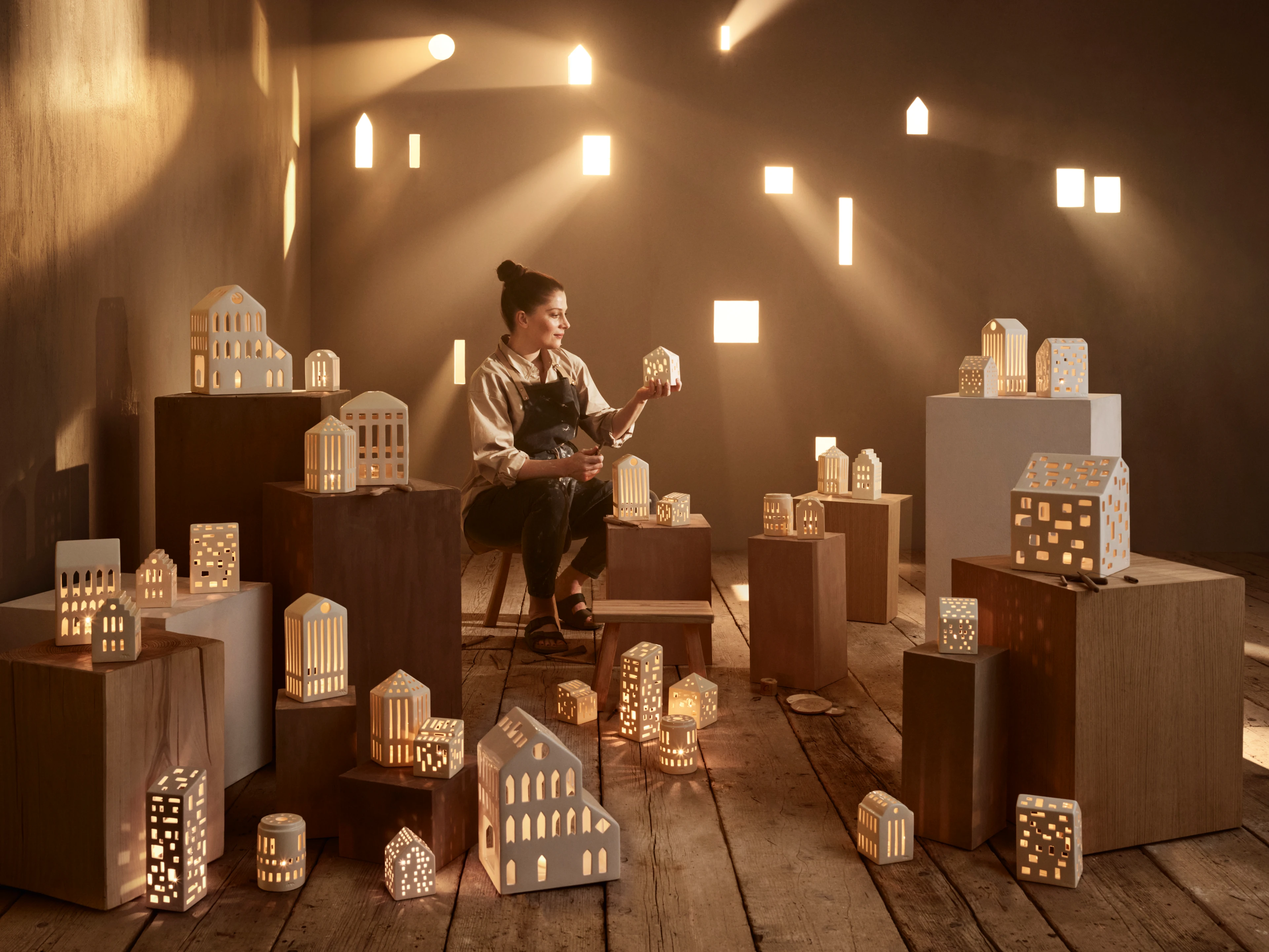
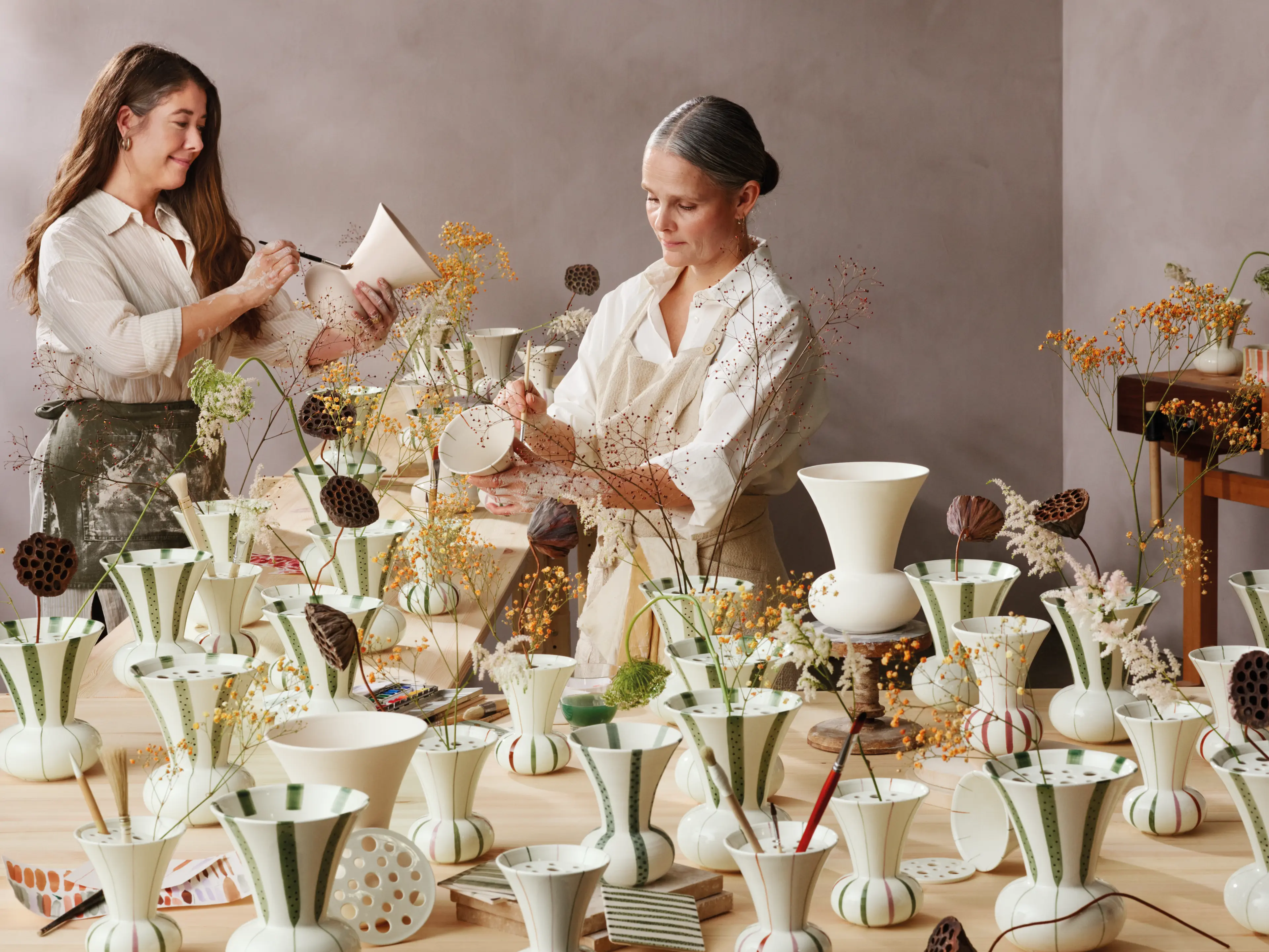
Kähler - handmade and traditional Danish design ceramics since 1839
Artists breed artists
Ever since Brendekilde became the first real artist to be employed, artists have joined year after year and contributed to Kähler’s DNA. Brendekilde was of great importance to the Kähler workshop not only for his designs but because he attracted a wide range of artists.
These included Svend Hammershøi, who would come to have an invaluable impact on Kähler’s workshop and its development. Today, Hammershøi’s iconic works live on in the Hammershøi series. Kähler’s current logo, HAK, which adorns all our products, was also designed by Hammershøi.
Craft traditions since 1839
Every contemporary Kähler design is a tribute to Kähler’s unique history and a celebration of the well-preserved craftsmanship, and it's also an imprint of current times.
Many of our ceramic designs are still based on craft traditions that go right back to when the Kähler adventure first began. Just as the skilled women ceramic painters at the old workshop in Kählersbakken hand-decorated the ceramics using cow horns, we still paint many of the designs by hand hand-cut the finer details and work with exciting glaze techniques. It is in the meeting between the precise and elegant brush strokes and the classic ceramics that Kähler’s unique design really comes into its own with its unique handmade look.
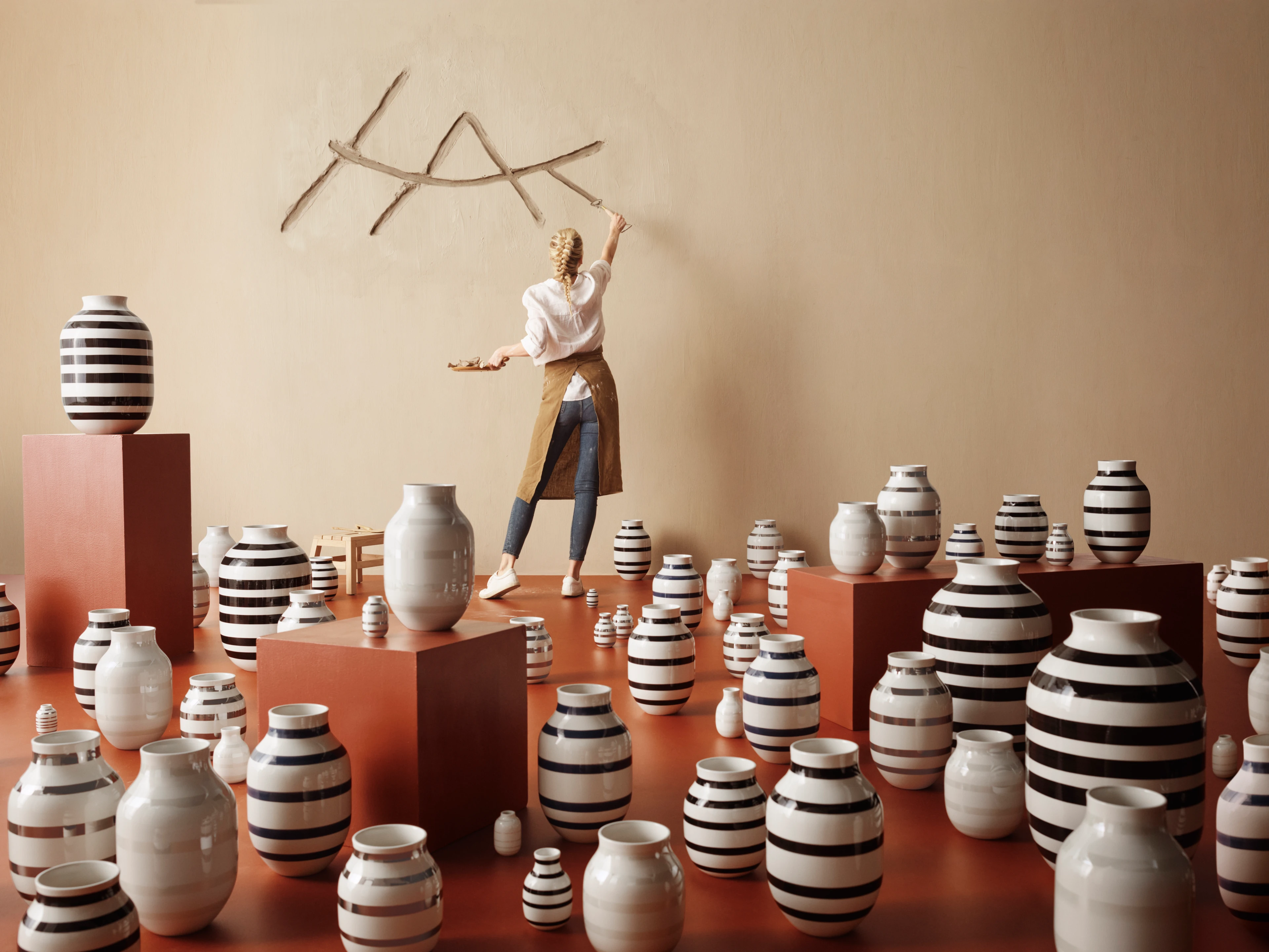
Handmade traditions
Get to know three of the historic ceramic painters here
Our foundation
Kähler is built on a number of core values and beliefs. They make up the foundation on which we run our brand, design and product development. They are the building blocks that have over the years ensured that we have been able to create designs that last and that constantly match Danes' taste.
At Kähler, we strive every day to unite our unique cultural heritage with our ambition to be a leader on the arts scene, nationally and internationally. We take the best from an artistic ceramic legacy and reinterpret it with a nod to current times.
Our special characteristics
Explore Kähler’s ceramic universe
See all StoriesDelivery within 2–5 business days
Free shipping on orders from € 89
30-day
return policyGet your gifts beautifully wrapped
We preserve and develop Danish design icons so that both present and future products can be part of the brands that have helped create our Danish design culture.